What Waterfront Living In West Palm Beach Really Feels Like
February 5, 2026
February 5, 2026
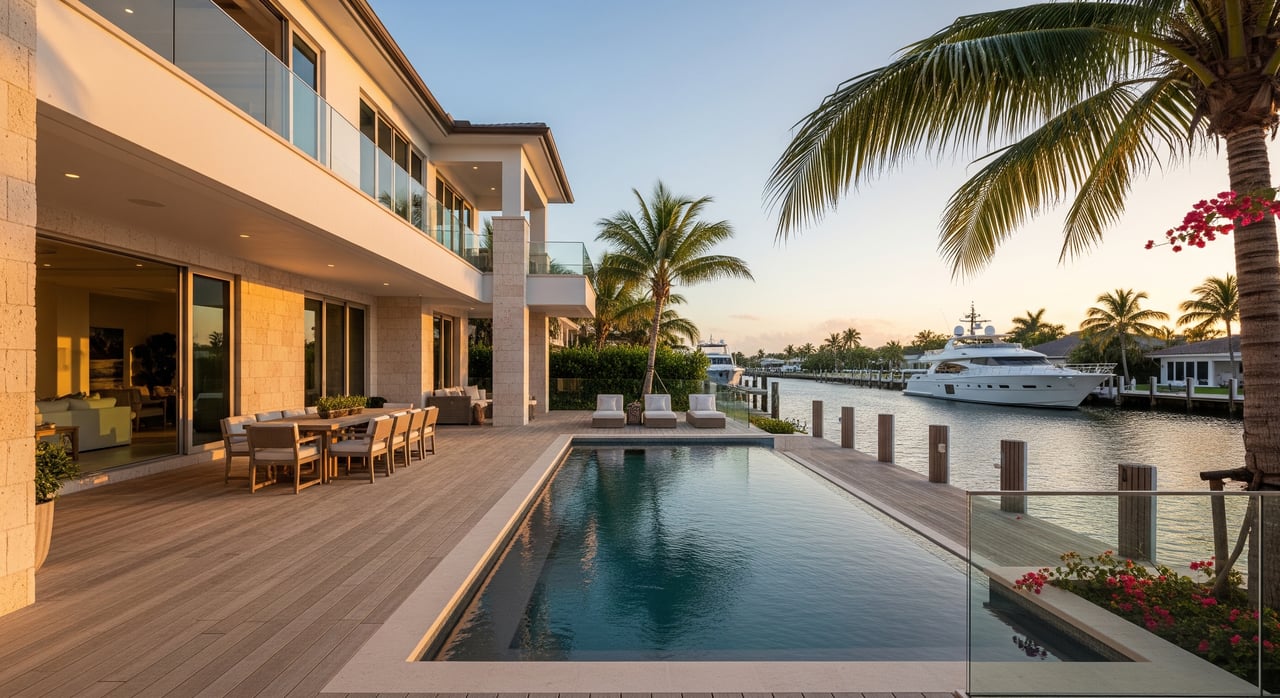
Imagine stepping out to soft morning light on the Intracoastal, a gentle breeze off Lake Worth Lagoon, and runners gliding past along Flagler Drive. If you’re picturing coffee on a balcony, a quick paddle at sunrise, and dinner by the water at night, you’re in the right place. Still, the daily reality of waterfront living can surprise you, from seasonal rhythms to boat traffic and insurance details. In this guide, you’ll get a clear, practical feel for life on the water in West Palm Beach so you can plan your next step with confidence. Let’s dive in.
Mornings start early along the Downtown Waterfront. You’ll see joggers, cyclists, and dog walkers moving along Flagler Drive and through Waterfront Commons. The water is usually calm, with paddleboarders and small boats passing in the channel. If you prefer a quiet start, head a bit north or south of the downtown core where residential stretches offer a gentler pace.
The public promenade creates a pedestrian-first zone where you can stroll for miles with views of Palm Beach island across the lagoon. Benches and seating nooks make it easy to pause and take in the view. Many condo buildings link into this sidewalk network, so you can walk to parks, coffee, and errands. Some single-family enclaves are more car-oriented, so your daily routine may shift based on the block you choose.
West Palm Beach is a boating hub. The Intracoastal Waterway offers protected cruising, with nearby inlets that connect you to open water. Full-service marinas, private condo slips, and public launch ramps support everything from day boating to longer trips. If you plan to keep a boat, expect to coordinate early with marinas for slip availability, since long-term spots often have waitlists. For casual days, you can book fishing charters, paddle protected lagoons, or enjoy boat-access hangouts like Peanut Island.
You can walk to a wide range of dining near the waterfront, from casual seafood to refined hotel dining rooms. Downtown corridors like Clematis Street and the district around Rosemary Square bring energy at lunch and into the evening. In peak season, the scene gets livelier with visitors and seasonal residents. Off-season, things are calmer, but most favorites remain open and easy to access.
Cultural venues sit a short walk or drive from the core waterfront. You’ll find performing arts, museums, and rotating exhibits across the downtown area. Weekends often include farmers markets or pop-up arts events. Once a year, a major waterfront music festival brings multi-day crowds and a festive atmosphere along the water.
Downtown waterfront living trades some quiet for convenience. You may hear music on weekends, event sound checks, and normal boat traffic. Residential stretches farther from Clematis and Flagler tend to be more private, especially in smaller condo communities or single-family areas. In buildings, higher floors and certain orientations can reduce street noise, so it’s smart to tour at different times of day.
High-rise and low-rise condos line the water, often with rooftop amenities, pools, fitness, and concierge services. Many provide marina access or nearby slip options, which is ideal if you want low-maintenance living and boating convenience. You’ll pay a premium for direct water exposure and unobstructed views, but you gain lock-and-leave simplicity.
Closer to downtown, you’ll see mid-rise buildings and townhomes with fewer residences per address. These often put you within a short walk of restaurants, parks, and cultural venues. You may find garage parking, modern finishes, and a community feel with less density than a tower.
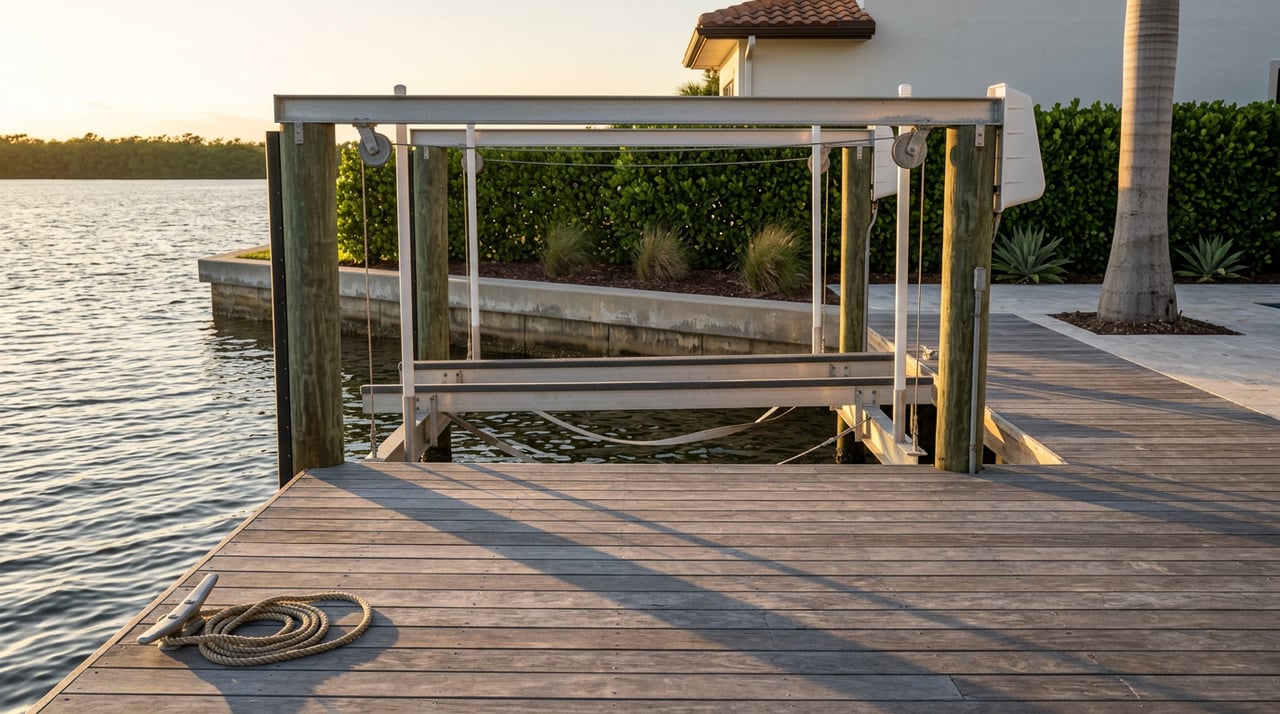
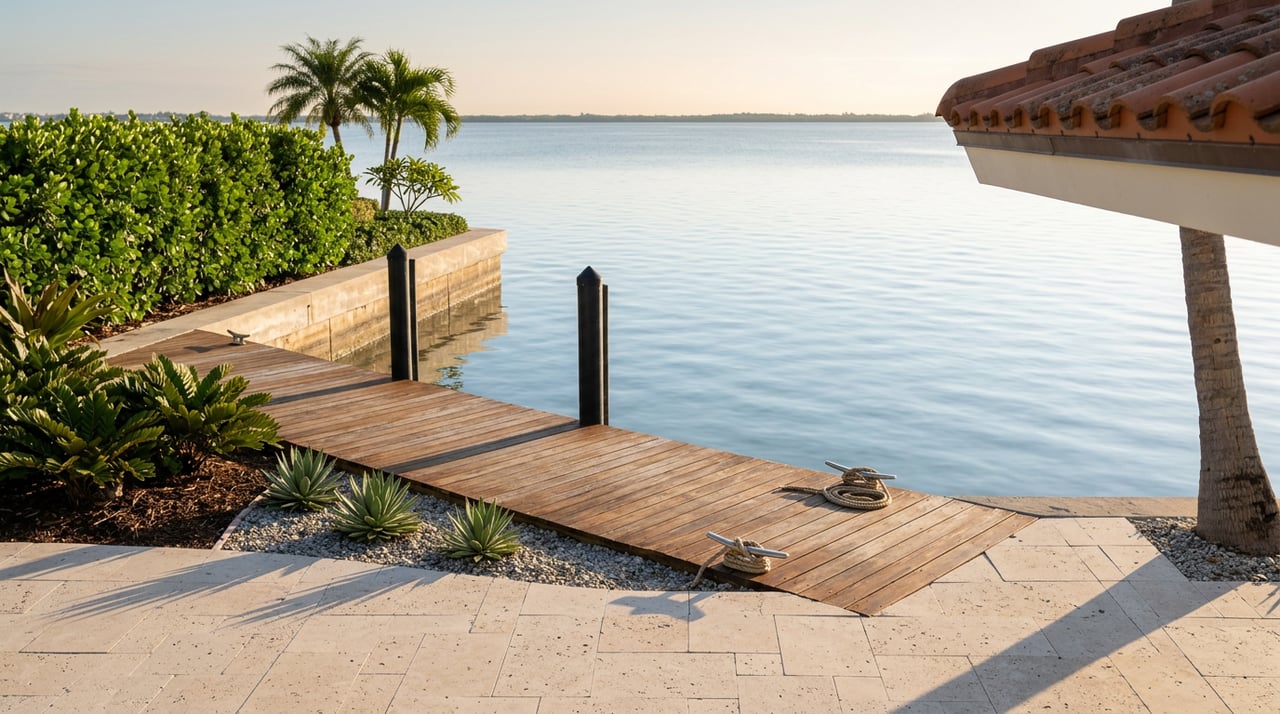
Canal and lagoon-front homes deliver privacy, land, and private docks. They also come with higher maintenance, insurance considerations, and hands-on storm planning. If you want the freedom of your own dock and space to entertain, this path fits, but be ready for seawall, dock, and exterior upkeep.
If you love water views but do not need direct Intracoastal frontage, inland homes and condos with lagoon or lake views can be a strong value. You keep scenic outlooks while easing costs tied to seawalls and dock ownership.
If you want an urban waterfront rhythm, the West Palm Beach core centers you near Clematis Street, Waterfront Commons, and a full calendar of events. You’ll have the best walkability, instant access to dining and culture, and easy travel options.
Tree-lined blocks and older single-family homes shape a traditional residential feel. These areas offer more privacy and a quieter pace compared with the downtown corridors, while keeping you within a short drive of the waterfront.
Here you get proximity to shopping and nightlife with a balanced residential feel. Walkability improves as you get closer to the core, and you can choose buildings that match your preferred level of activity.
Palm Beach island sits across the Intracoastal with a higher price point, estate properties, and private club culture. Mainland West Palm Beach offers a broader range of price and product types, from luxury waterfront condos to mid-rise buildings and single-family options. Your choice comes down to lifestyle priorities and budget.
Neighboring areas like Riviera Beach, Lake Worth, and Boca Raton each bring their own waterfront culture and marina scene. Commutes and slip availability can vary, so it pays to scout both land and water routes if boating is central to your lifestyle.
West Palm Beach has a subtropical coastal climate with hot, humid summers and a short, mild winter season that feels ideal for outdoor living. From late fall through spring, the population grows with seasonal residents and visitors. Expect a very active event calendar in winter, along with more traffic near the waterfront.
Hurricane season runs June through November. Most owners plan for shutters, elevated HVAC equipment, reinforced garage doors, roofing updates, and written storm plans. Many waterfront properties sit in mapped flood zones, so you should review current flood maps and request elevation certificates early in your search.
Lenders often require flood insurance for properties in high-risk zones. In coastal Florida, wind and homeowner policies can be more expensive and subject to market shifts. Get quotes as soon as you are serious about a property, and confirm eligibility for standard policies or state alternatives. Private flood coverage may also be an option.
Salt air accelerates wear on metal fixtures, HVAC systems, and exterior finishes. If you own a seawall, bulkhead, or dock, plan for regular inspections and repairs. Condo associations often handle exterior work and dock management, while single-family owners shoulder ongoing tasks and budgets. If you own a boat, factor in slip fees, utilities, and potential waitlists.
If you cruise offshore often, you may prefer deep-water marinas or private docks that make ocean access efficient. Slip depth, draft, and proximity to inlets will matter, as will fuel and service options. Your vessel size and how often you head offshore should guide your slip search and neighborhood choice.
For casual boating, the Intracoastal and protected lagoons are perfect for short runs, paddleboarding, and kayaking. Public launch points and rental options are common. Weekdays are quieter, while weekends bring more traffic and sightseeing.
Waterfront addresses command a premium over inland homes. Exposure, view corridors, private dock rights, building condition, and amenities all influence price. Ultra high-end estates can take longer to trade, while well-located condos with marina access tend to move faster.
You can live car-light in the downtown core. Elsewhere, a car is practical for daily errands. Regional rail connects downtown West Palm Beach to other major Florida cities, and the local airport is a short drive for national flights. During peak season and large waterfront events, plan for heavier traffic and busier parking.
Hospitals, specialty care, grocery, and daily retail are convenient within the urban core and nearby corridors. Smaller waterfront enclaves rely on nearby commercial areas, so you will likely drive a short distance for larger errands.
You will meet long-term locals, seasonal residents, young professionals, retirees, and hospitality workers who keep the waterfront running. Neighborhood associations, marina groups, and downtown organizations are active and contribute to the area’s events and planning.
Ready to turn a vivid picture into a smart plan? With decades of local leadership, developer-to-sales expertise, and concierge guidance, The Murray Group helps you align lifestyle goals with the right waterfront address. From curated private listings to Compass Concierge referrals, home valuation, and relocation support, you get a seamless experience from first tour to closing. When you are ready, schedule a private, confidential consult with The Murray Group.
Stay up to date on the latest real estate trends.
Get assistance in determining current property value, crafting a competitive offer, writing and negotiating a contract, and much more. Contact us today.