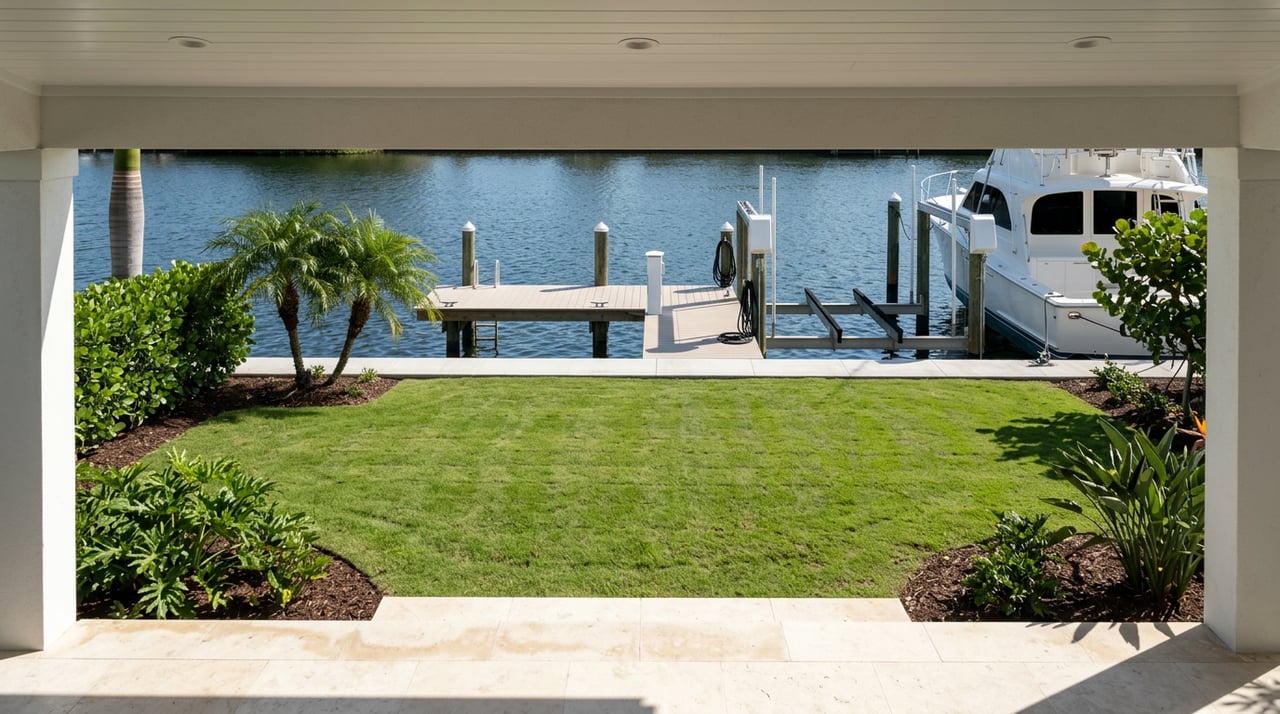
Harbour Isles Boating Community on the Intracoastal
March 5, 2026
March 5, 2026
Imagine walking from your morning coffee to your cockpit in less than a minute. If you keep a sportfisher or cruising yacht and want a quiet, gated setting with direct Intracoastal access, Harbour Isles in North Palm Beach should be on your short list. You get privacy, practical boating features, and a fast run to open ocean for fishing or cruising days. Here is what life looks like when your backyard meets the water, plus the key details every serious boater should confirm before buying. Let’s dive in.
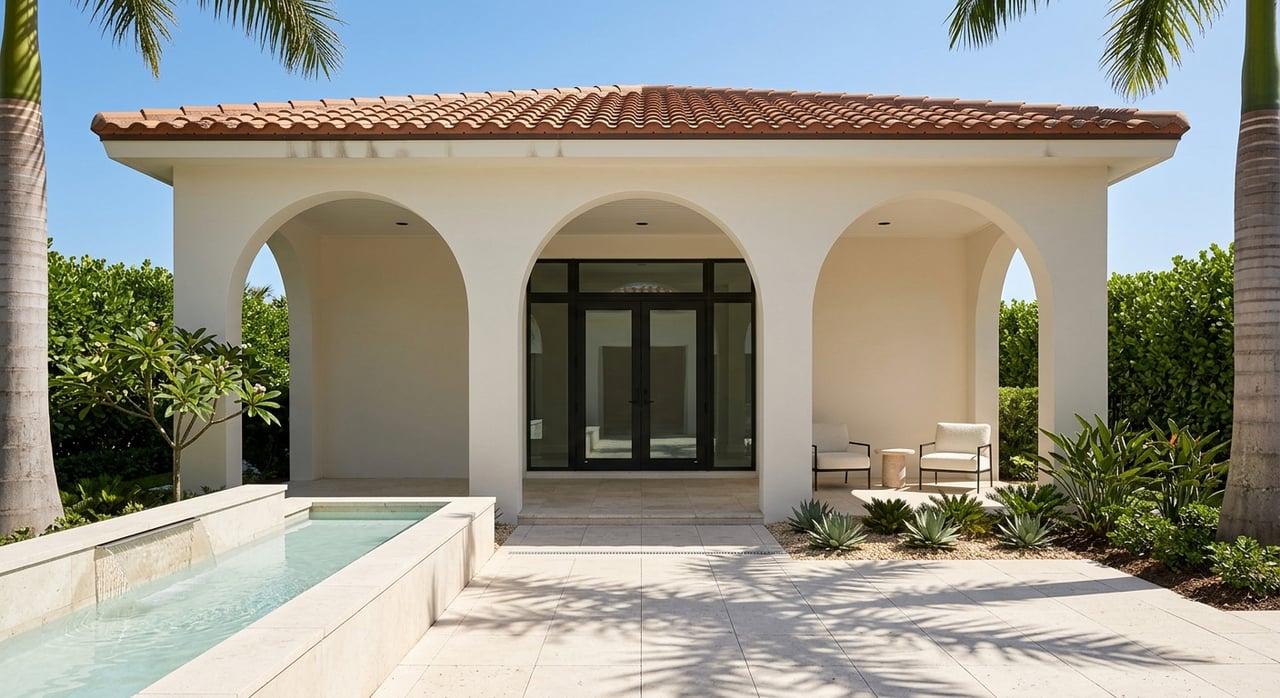
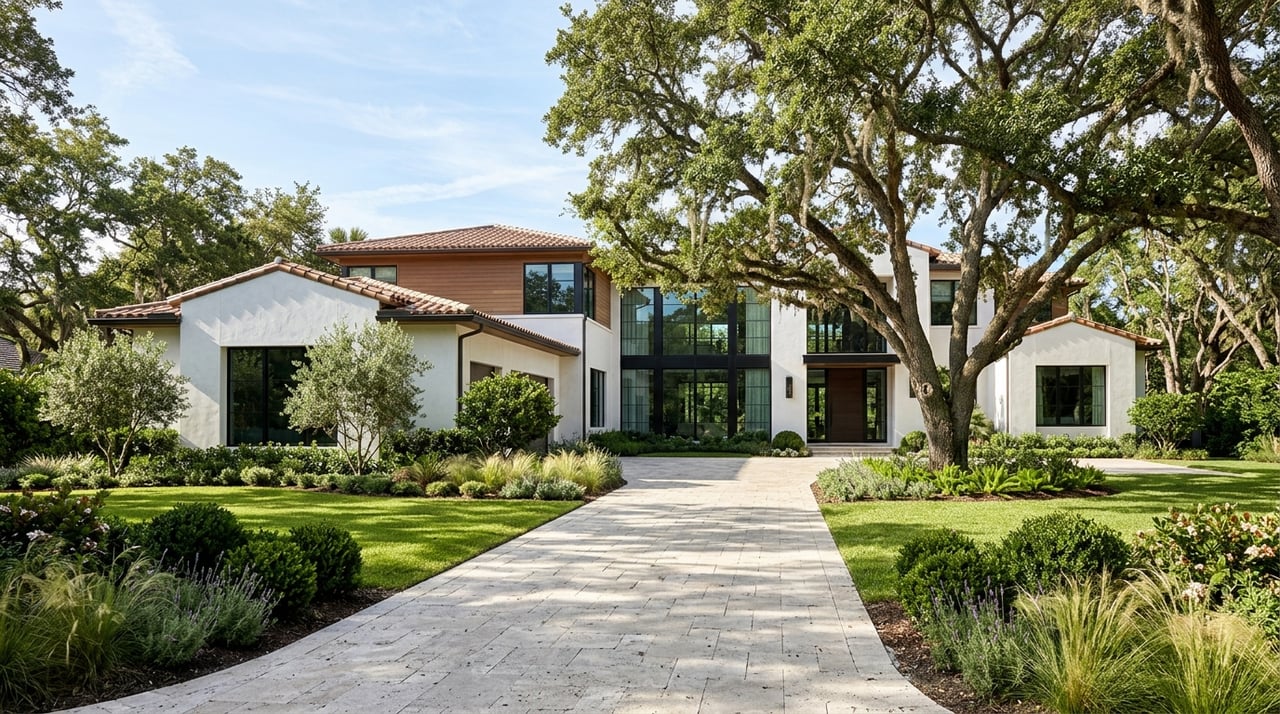
Tucked just off Prosperity Farms Road and set directly on the Intracoastal Waterway, Harbour Isles is a gated, low‑density estate enclave in North Palm Beach. The neighborhood was developed in the early 2000s and comprises roughly 98 to 103 custom homes on about 76 waterfront acres. Most homes are large, Mediterranean‑style estates with private waterfrontage and on‑lot docks that define daily life here. For an overview of the community’s character and architecture, review this concise community profile.
For bearings, the central neighborhood coordinate often used in planning is approximately 26.83471 N, -80.06665 W, which helps you visualize routes and distance to the inlets when you map your day on the water. You can see a nearby property point here for context on Harbour Isles’ location.
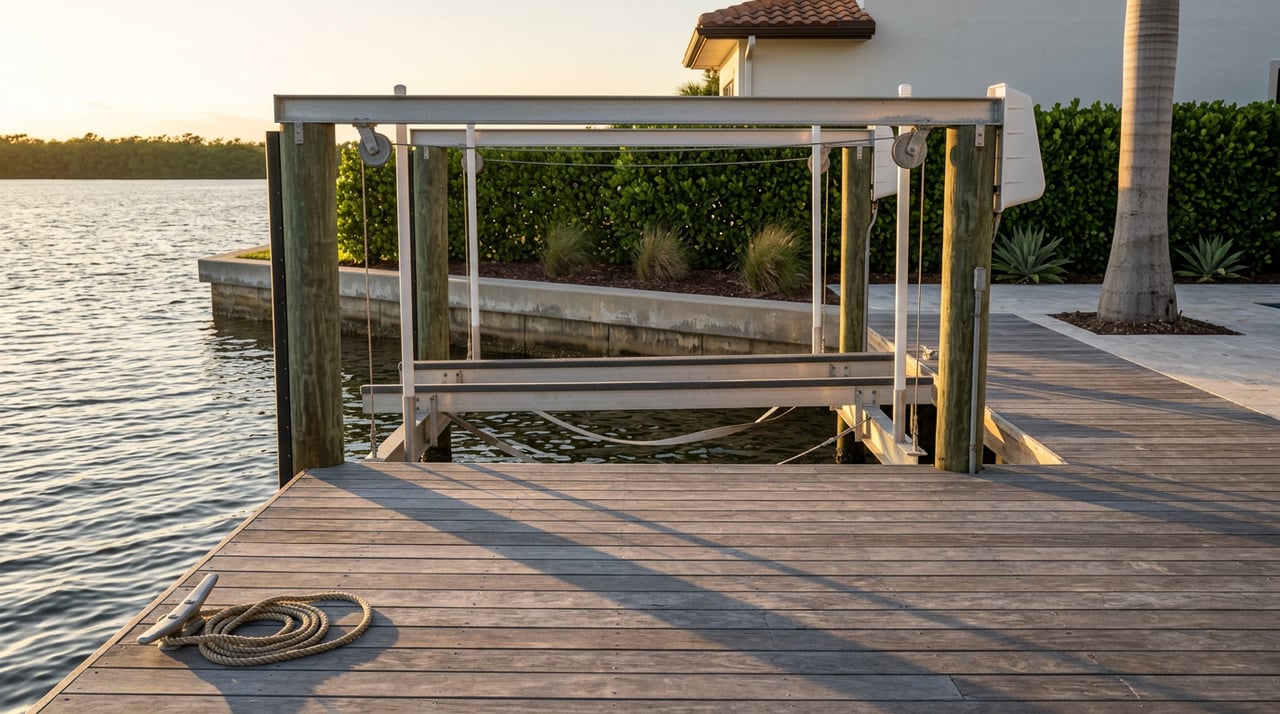
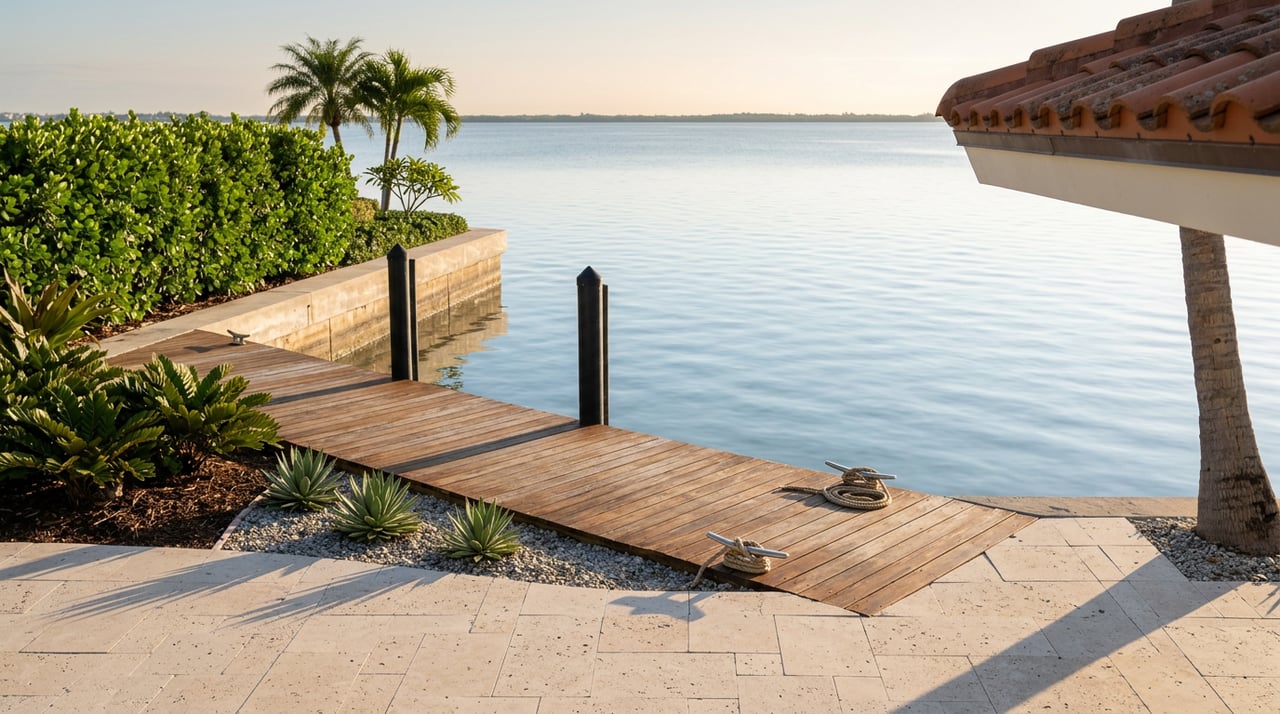
Private, deeded backyard docks are the norm. Listings commonly note shore power and water at the pier, and many docks advertise lifts and configurations suited to larger owner‑operated vessels. Seawall frontage of about 80 to 175 feet is typical, and multiple listings show configurations sized for sportfishing yachts in the 50 to 70 foot range. As always, confirm the exact capacity for any one property. For a real‑world example, see a listing that illustrates docks for 50 to 70 foot yachts in the neighborhood’s active and archived inventory.
Harbour Isles relies on permanent concrete systems rather than older timber bulkheads. Community and listing descriptions frequently mention concrete, batter‑pile seawalls. Condition and age vary by lot, so plan to inspect and budget accordingly. Here is a listing reference that calls out the concrete seawall detail.
If you captain a 50 to 70 foot vessel, think beyond length. Beam, turning radius, piling layout, and the geometry of each canal entrance affect practicality. Wider lots often use finger piers and set pilings for side‑ties, which can make docking more forgiving. A captain’s input and a quick aerial review help confirm approach and turning considerations. A sample listing with photos can help you visualize turning room and frontage.
A core appeal here is the frequently advertised no fixed bridges route from Harbour Isles to the ocean. In practice, that means the common navigable route to the inlets does not require passing under permanently fixed, non‑opening bridges that would block tall towers. You still need to plan for drawbridge openings, timing, and tides. This short community overview explains how “no fixed bridges” is used in local marketing and why route verification matters for your specific dock. See the Harbour Isles access overview.
From a central Harbour Isles coordinate, straight‑line distance to Lake Worth Inlet is about 4.2 nautical miles, and to Jupiter Inlet is about 6.9 nautical miles. These are planning numbers only, and actual transit along the ICW will be longer based on routing, bridge timing, and any no‑wake zones. As a guide, a sportfisher at 20 to 25 knots might reach Lake Worth Inlet in roughly 10 to 15 minutes once on plane, while a larger displacement yacht running near 10 knots might plan 25 to 40 minutes. Review the map point used for these estimates here: Harbour Isles planning coordinate. For route verification, soundings, and bridge notes, consult official NOAA resources for the West Palm Beach and Lake Worth region via NOAA charts.
Marketing often uses the phrase “deep water,” but controlling depths vary with tide and natural shoaling. Canal depths are generally suitable for substantial sportfishing yachts, yet they should be confirmed at mean low water alongside your dock, at the canal entrance, and on approach to the ICW. Lake Worth Inlet is federally maintained and typically deeper than adjacent ICW channels. Always confirm current conditions through NOAA charts and recent local guidance.
Many owners prefer the convenience of a private dock, then turn to nearby marinas for fueling, pump‑outs, haul‑out, and larger refit work. Within a short run you will find Old Port Cove in North Palm Beach, Palm Harbor Marina in downtown West Palm Beach, and the Rybovich yard for large‑yacht support. These facilities are known for significant lift capacity, crew services, and provisioning convenience. Start your shore‑side planning with Old Port Cove and related services.
If your boating profile trends into superyacht territory or you plan complex refits, note that very large vessels often use the heavy‑lift and deep‑water capabilities at major yards like Rybovich. For a broader read on communities that attract mega‑yacht owners, see this roundup of yachting‑oriented properties.
Harbour Isles is manned and gated, with a quiet, privacy‑oriented feel. The lifestyle is backyard‑to‑boat rather than marina‑club living, which many owners prefer for day‑to‑day ease. Neighborhood descriptions consistently highlight the enclave’s security and low density. A neighborhood overview captures this tone of a gated, custom‑home setting.
You are also positioned between two inlets with quick access to productive offshore waters. That proximity draws tournament anglers and serious sportfishing owners who value getting lines in quickly off Jupiter and Lake Worth. For a sense of how listings frame the angling culture and routes, scan this Harbour Isles boating snapshot.
How does Harbour Isles compare nearby? Admirals Cove in Jupiter offers deep‑water access with a larger, full‑service marina and club environment, while Harbour Isles is lower density with a private‑dock focus. For a quick contrast point on communities that support bigger yachts and club amenities, see this Admirals Cove mention. Lost Tree Village trades direct oceanfront and club amenities for a different rhythm, while Harbour Isles emphasizes ICW docking and easy access to service marinas. A neighborhood note here speaks to Harbour Isles and nearby options.
Use this quick checklist to confirm the essentials before you close:
If your perfect day starts at your own dock and ends offshore before lunch, Harbour Isles aligns with that rhythm. You get a gated, estate‑home setting, direct ICW frontage, and quick access to Lake Worth and Jupiter inlets, supported by a strong network of nearby marinas and yards. For yacht and sportfishing owners who value privacy and efficiency, it is a compelling North Palm Beach address.
If you want a discreet, high‑touch search tailored to your vessel, budget, and lifestyle, we are ready to help. Our team understands dock configurations, run times, marina logistics, and the details that keep your boating life seamless. To explore on‑market and private opportunities in and around Harbour Isles, connect with The Murray Group to Schedule a Private Consultation.
Stay up to date on the latest real estate trends.
Get assistance in determining current property value, crafting a competitive offer, writing and negotiating a contract, and much more. Contact us today.