Downtown vs Waterfront: How to Choose in West Palm Beach
February 19, 2026
February 19, 2026
Do you picture yourself strolling to brunch and live shows, or stepping from your terrace to your boat? In West Palm Beach, that choice often comes down to vibrant downtown living versus the calmer, marina‑oriented waterfront. You want clarity on lifestyle, costs, and the due‑diligence steps that matter before you decide. This guide breaks down the trade‑offs, pricing and fees to expect, boating checks to make, and a simple checklist to move forward with confidence. Let’s dive in.
If you value convenience and energy, downtown delivers. Clematis Street rates as a Walker’s Paradise, which means you can run daily errands and enjoy dining without relying on a car. You also have easy access to festivals and weekly waterfront events, plus a growing roster of arts and dining options. Clematis Street’s walkability data shows why many buyers choose a lock‑and‑leave condo downtown.
Transit and culture add to the appeal. The Brightline station sits right in downtown, which makes day trips to Miami or Orlando remarkably simple for you and your guests. The nearby Norton Museum draws arts lovers and seasonal visitors, which supports strong demand for well‑located condos. Explore the Brightline West Palm Beach station and plan a visit to the Norton to get a feel for your weekends here.
What you trade for that access is a bit of density and evening buzz. Downtown buildings tend to offer pools, gyms, and concierge services, often with elevators and valet parking. Association documents may include specific guest, leasing, or short‑term rental rules, so you will want to review them early.
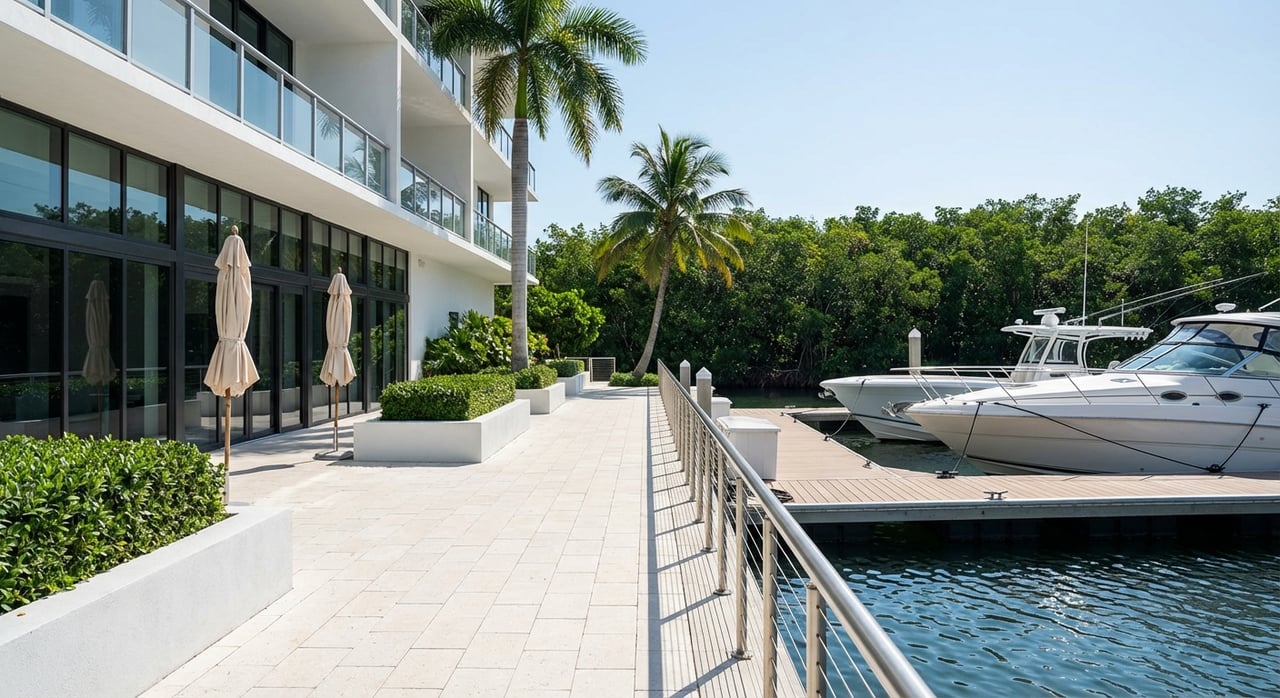
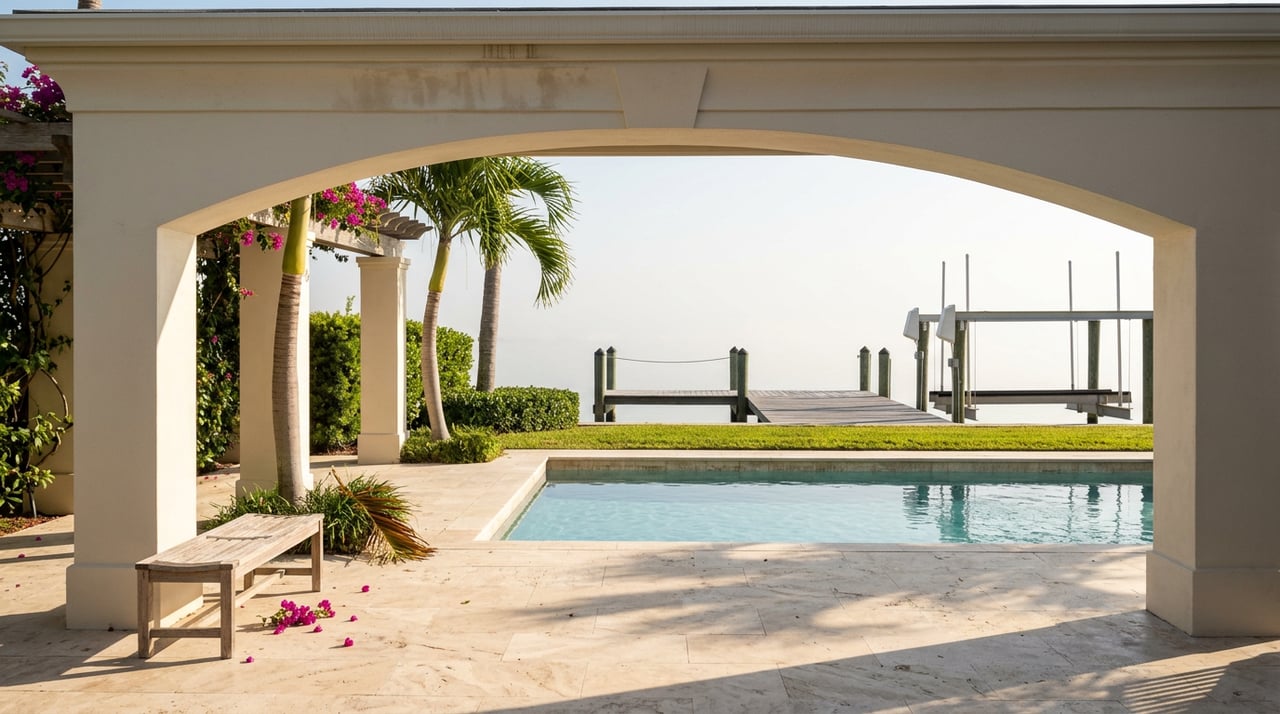
If your weekends revolve around the water, the Intracoastal corridor can be a better fit. Many buildings and single‑family streets along Flagler and nearby neighborhoods offer water views, private or assigned slips, or close proximity to full‑service marinas. For larger vessels and service needs, the West Palm and Palm Beach corridor includes superyacht‑capable facilities such as Rybovich.
You will likely enjoy quieter evenings and more privacy compared to Clematis Street. The trade‑off is you may drive to dinner, shows, and museums instead of walking. If boating is central to your lifestyle, the ability to step aboard within minutes can outweigh the extra driving.
Before you assume ocean access, verify navigational details. Fixed‑bridge clearances, canal depths, and slip size limits vary by location and association. Confirm approach depths and bridge heights with the marina or association, and align your vessel’s draft and height with local conditions before you bid.
Citywide, prices vary widely by building, view, and amenity level. As a quick reference point, Zillow’s Home Value Index for West Palm Beach was around 391,000 dollars in the most recent snapshot used here, though downtown towers and waterfront product typically price well above the city average. You can review the city‑level index on Zillow’s West Palm Beach market snapshot.
If boating drives your purchase, lock down the slip details early. Slip rights can be structured as deeded interests, limited common elements assigned to your unit, or separate leases through an association or third‑party marina. The recorded condo declaration governs transfer rules, waitlists, insurance, and whether rights pass at closing. For a practical overview, review our guide to marina‑condo ownership models and slip transfer rules.
Your action list if boating matters:
Palm Beach County includes low‑lying areas that face coastal and inland flood risk. Review FEMA flood maps, check elevation certificates if available, and use federal tools to visualize long‑term exposure. Start with NOAA’s Sea Level Rise viewer for Florida to understand scenario‑based impacts at a neighborhood scale.
Florida now requires milestone inspections and structural‑integrity reserve studies for many buildings three stories and higher. These reports can identify necessary repairs and influence whether an association uses reserves, special assessments, or loans. Ask for the most recent studies, inspection results, annual budget, and audited financials. You can read the reserve and disclosure framework in the Florida Condominium Statute, Chapter 718.112.
If you plan to rent seasonally or short‑term, confirm zoning, association rules, and local registrations. West Palm Beach requires specific business registration steps and, in some cases, a Certificate of Use. Begin with the city’s Business Tax Receipt and licensing portal and verify all association lease terms, minimum stays, and approval processes.
Ready to compare a few buildings or streets head‑to‑head? We can map your lifestyle priorities to the right addresses, gather association documents up front, and secure the slip or amenities that matter most to you. To start a focused search and review private or off‑market options, connect with The Murray Group.
Stay up to date on the latest real estate trends.

Get assistance in determining current property value, crafting a competitive offer, writing and negotiating a contract, and much more. Contact us today.