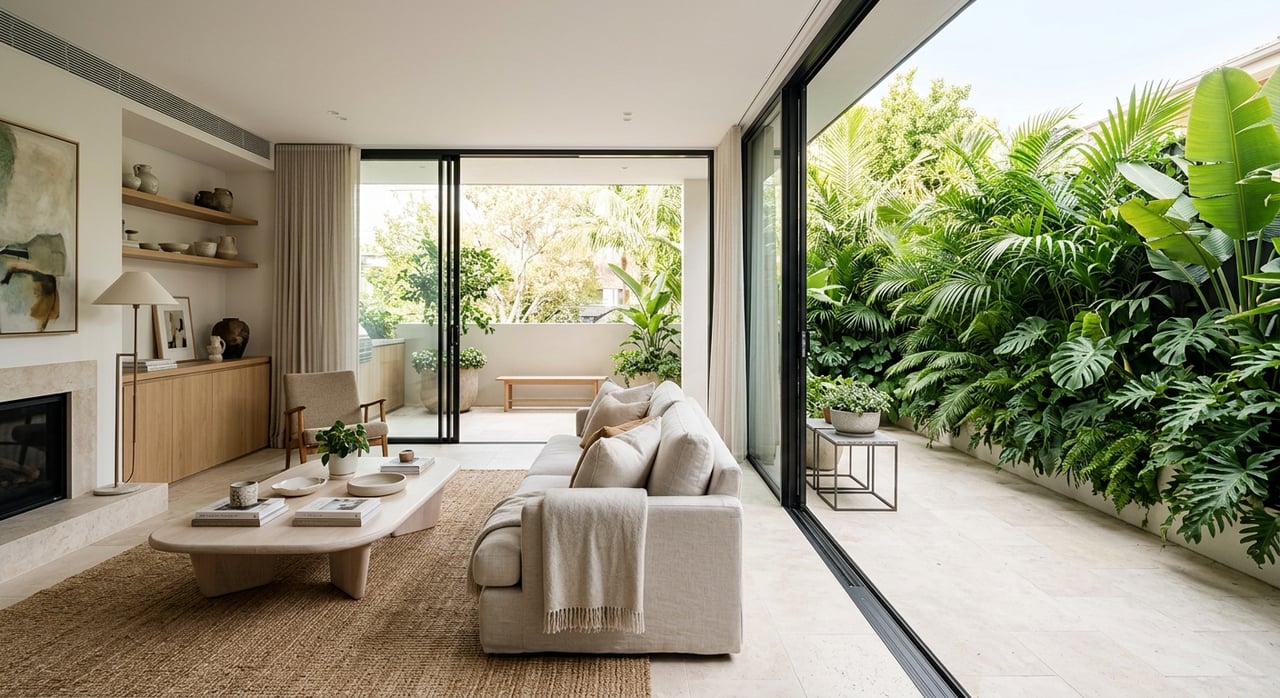
Why West Palm Beach Seasonal Living Suits Second Homes
July 23, 2026
July 23, 2026
Are you looking for a second home that feels easy to enjoy, not hard to manage? If you want a place where you can fly in, settle quickly, and step right into waterfront living, West Palm Beach offers a strong seasonal rhythm. From comfortable winter weather to walkable downtown amenities and practical boating access, this city works especially well for part-time owners. Let’s take a closer look at why.
West Palm Beach stands out as a seasonal home base because it combines climate, convenience, and activity in one compact setting. You get a downtown core built around the waterfront, along with dining, culture, transit, and events that support a true part-time lifestyle.
For many second-home owners, the appeal is not just sunshine. It is the ability to arrive for a long weekend or an extended stay and feel connected right away. That easy rhythm is a big reason West Palm Beach continues to attract lifestyle-driven buyers.
If you picture your second-home season filled with outdoor dinners, waterfront walks, and time on the water, winter and early spring are the most comfortable months. NOAA climate normals for West Palm Beach show an average daily high of 74.7°F in January compared with 90.0°F in July.
Rainfall also shapes the seasonal experience. West Palm Beach averages 61.75 inches of precipitation annually, with the wettest months concentrated in late spring, summer, and early fall. In practical terms, that means winter is usually the easiest season for outdoor living.
Visit Florida also identifies December through April as the best time to visit West Palm Beach. That period aligns with the city’s peak seasonal energy, when more people are in town and the social calendar feels especially full.
Seasonal living here is not just a feeling. Palm Beach County’s planning profile estimates an additional seasonal population of 8,692 in West Palm Beach and 158,876 countywide.
That helps explain why winter often feels active and well-supported. Restaurants, events, cultural venues, and waterfront areas all benefit from that seasonal lift, which can make a second home feel more connected to daily life.
One of West Palm Beach’s biggest advantages is how manageable downtown can feel. The Downtown Development Authority says many destinations are within a 10- to 20-minute walk of one another, including Clematis Street, the waterfront, CityPlace, the Brightline station, and the Palm Tran Intermodal Transit Center.
For second-home owners, that matters. A compact downtown can reduce the friction of short stays because you can do more without planning every outing around a car.
This is part of what gives West Palm Beach its lock-and-leave appeal. You can arrive, unpack, and start enjoying the city quickly.
Travel convenience is a major part of seasonal ownership. Palm Beach International Airport is about 2.5 miles west of downtown West Palm Beach and sits next to I-95, which makes arrivals and departures relatively simple.
Brightline adds another layer of flexibility. Its West Palm Beach station is within walking distance of major downtown destinations and offers parking, free Wi-Fi, event shuttles, neighborhood electric vehicles, and BrightBike rentals.
The downtown area also includes free Circuit shuttles within the downtown zone. For a second-home owner, that means you may be able to move around efficiently from the moment you arrive.
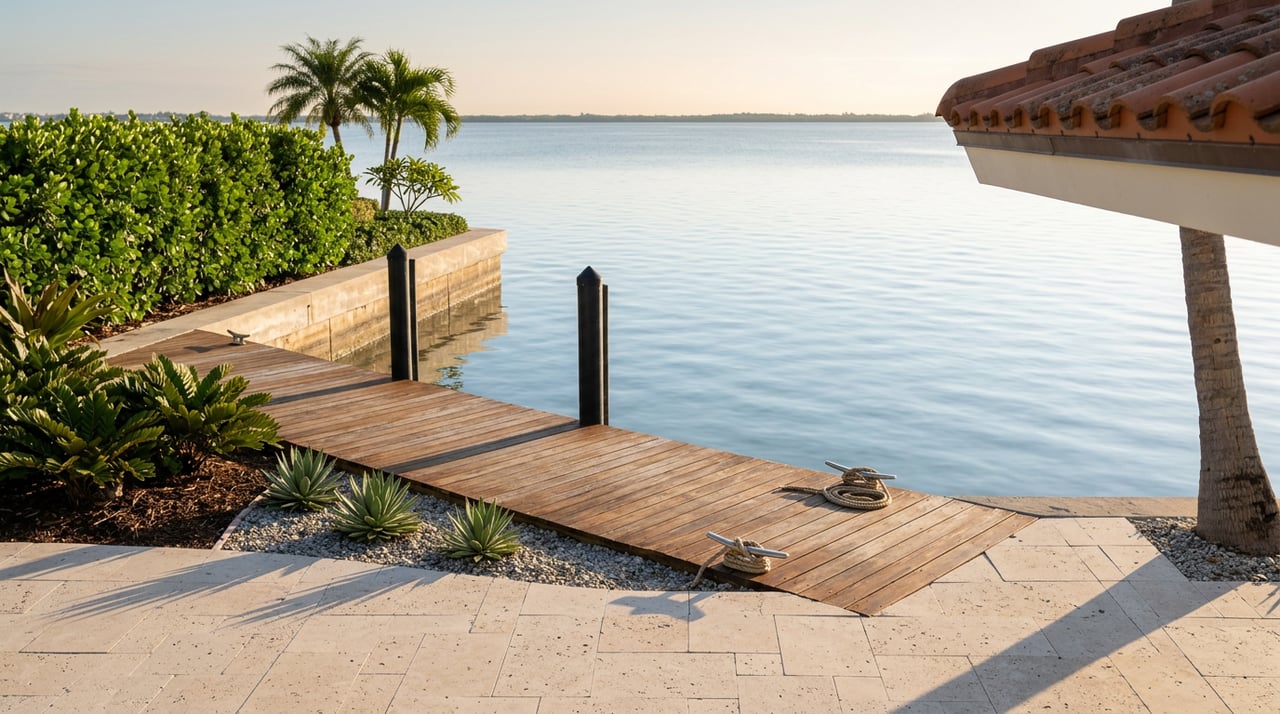
For many buyers, the West Palm Beach lifestyle starts at the water. The city’s downtown docks at Waterfront Commons are open daily from 5 a.m. to midnight, free for non-commercial boats, and available on a first-come, first-served basis with secure tie-ups.
The city also notes that Currie Park provides year-round Intracoastal access. That practical access supports boaters who want more than scenery from their second home.
Nearby marina options add to that boating identity. Palm Harbor Marina and Safe Harbor Rybovich both reinforce West Palm Beach’s role as a waterfront-oriented city with real marine infrastructure.
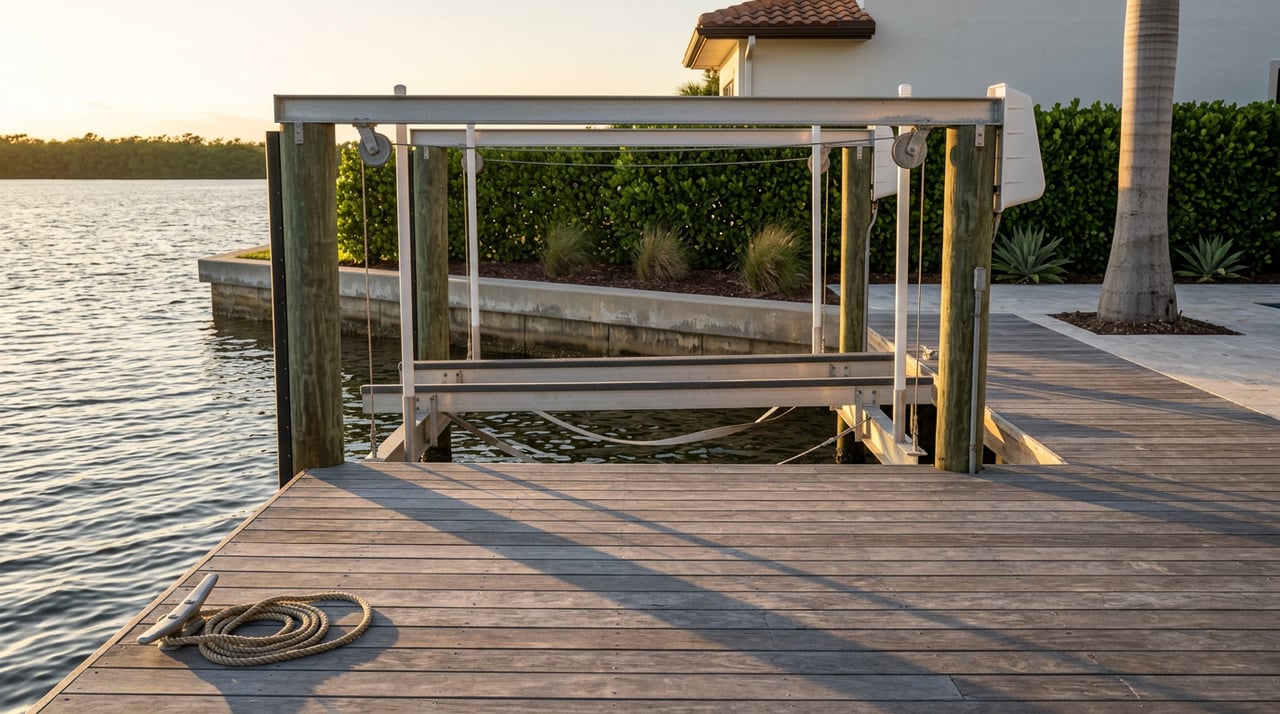
If boating is part of how you plan to use your second home, West Palm Beach offers a compelling setup. Public access points, downtown docks, marina services, and an Intracoastal location create a lifestyle that can be active and flexible.
That is especially appealing for buyers who want a residence that supports time on the water without requiring a full-time operating footprint. In the right property, you can enjoy a marina-oriented lifestyle with a more convenient seasonal pattern.
A second home tends to work best when there is something to step into once you arrive. West Palm Beach supports that with multiple downtown districts, arts venues, and a steady flow of events.
Visit Florida identifies four retail and entertainment districts in downtown West Palm Beach: Clematis Street, The Square, Northwood Village, and Antique Row. It also points to major cultural anchors like the Norton Museum of Art and the Kravis Center.
The city’s Arts & Entertainment District includes more than 20 cultural destinations, from museums and galleries to performing arts companies and libraries. That depth gives the city a sense of activity beyond just peak tourist weekends.
The city describes Clematis by Night as a weekly Thursday concert series on the waterfront with live music and an outdoor happy-hour atmosphere. That kind of recurring event can make your time in town feel social and easy to plan.
The city also says its waterfront events program produces more than 600 unique events each year along Waterfront Commons. Add in seasonal markets, art festivals, and year-round waterfront activities, and you have a calendar that helps seasonal ownership feel vibrant rather than quiet.
West Palm Beach works well for part-time owners because dining and entertainment are not isolated experiences. They are part of the everyday downtown pattern.
Visit West Palm Beach describes the local dining scene as ranging from casual options to fine dining, with seafood, international and fusion cuisine, farm-to-table concepts, and outdoor waterfront settings. Downtown materials also emphasize the density of restaurants and bars within walking distance.
That matters when you use a home seasonally. It means you can arrive and quickly fall into a comfortable routine, whether that is coffee in the morning, dinner by the water, or an easy night out nearby.
Seasonal living in West Palm Beach is not only about restaurants and events. Winter also brings a quieter nature experience.
Manatee Lagoon, located on North Flagler Drive, is a free Palm Beach County attraction. It notes that Florida manatee season runs from November 15 through March 31, and on colder winter days, visitors may see manatees gathering near warm-water outflows.
For second-home owners, that is another reminder of the city’s seasonal character. Winter in West Palm Beach offers both social energy and moments that feel calm and distinctly local.
Every seasonal market has tradeoffs, and in West Palm Beach the main one is summer weather. Conditions turn hotter and wetter, and hurricane season becomes part of the planning conversation.
NOAA defines Atlantic hurricane season as June 1 through November 30. Palm Beach’s official hurricane preparedness guidance makes clear that whether you live in the area full time or only during the season, being ready is essential.
For second-home owners, this usually means thinking ahead about property preparation, travel timing, and how you want to manage the home when you are away. The right plan can help seasonal ownership feel much more straightforward.
The strongest case for West Palm Beach is not simply that it is a beach market. It is that it functions well as a winter city base for part-time living.
You can enjoy the most comfortable weather in winter and early spring, move around a walkable downtown, tap into boating and waterfront amenities, and plug into a busy dining and events scene. Then, when the hotter and wetter months arrive, you can scale back your time in town and plan around the season.
That pattern appeals to buyers who want flexibility, convenience, and a polished coastal lifestyle. It is especially relevant if you value turnkey living, access to the water, and a home that supports easy arrivals and departures.
If you are considering a second home in West Palm Beach or nearby Palm Beach-area waterfront neighborhoods, working with a team that understands seasonal ownership, marina-focused living, and discreet buying opportunities can make the search far more efficient. To explore your options, The Murray Group can help you navigate the market with local insight and a high-touch approach.
Stay up to date on the latest real estate trends.
Get assistance in determining current property value, crafting a competitive offer, writing and negotiating a contract, and much more. Contact us today.