Leave a Message

Thank you for your message. We will be in touch with you shortly.

Inside the West Palm Beach Condo Market Today

November 21, 2025

Shopping for a condo in West Palm Beach can feel like comparing apples, oranges, and a few coconuts. Fees vary, rules differ by building, and older coastal towers may face big projects. You want the view and lifestyle you came for, without unpleasant surprises after closing.

This guide gives you a clear, practical framework to evaluate buildings, understand true monthly costs, gauge risk, and plan your next steps with confidence. You will learn how building type, age, reserves, financing rules, and flood exposure all shape your experience and budget.

Let’s dive in.

Building types and where they sit

Choosing the right building type helps you match lifestyle, cost, and risk from the start.

Waterfront towers on Flagler Drive

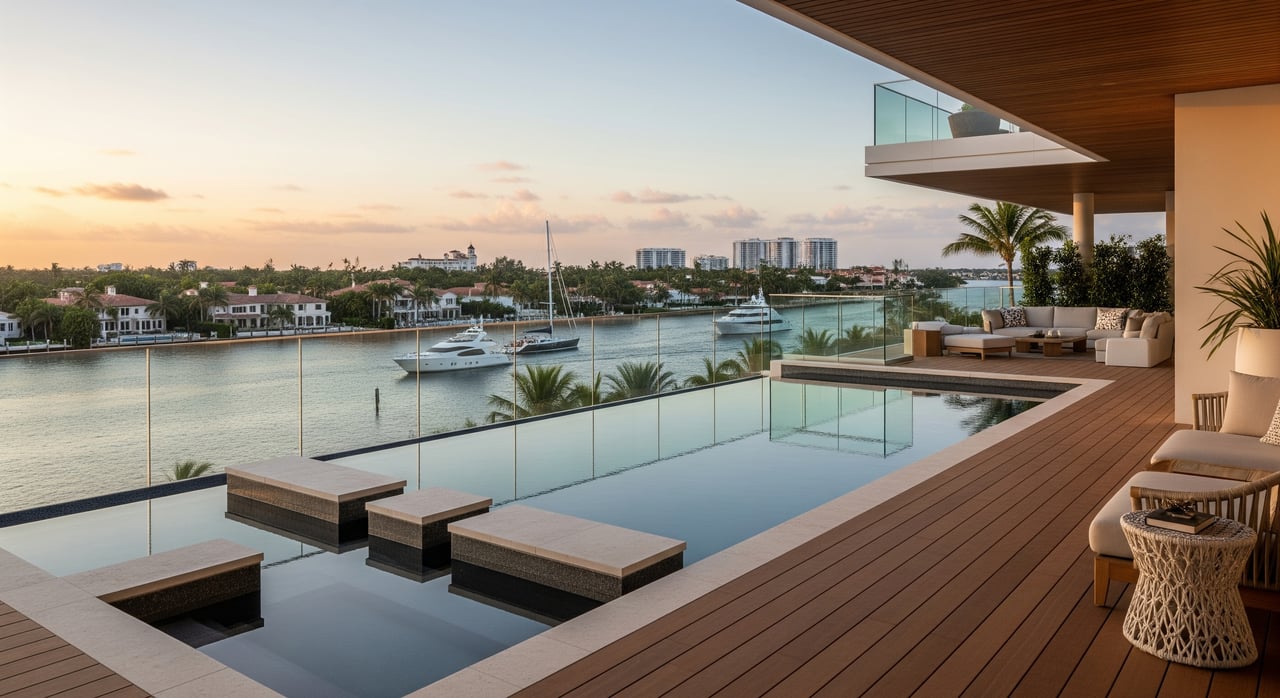
These high-rises emphasize water views and service. You often see concierge, pool, gym, secure parking, and sometimes marina or nearby boating access. Fees are higher because staffing, amenities, and insurance costs are higher. Coastal exposure can also mean larger windstorm deductibles and tighter reserve needs.

Lifestyle tradeoff: you get the Intracoastal setting and prestige. Walkability may be lower compared with downtown addresses, depending on the corridor and street grid.

Downtown towers near Rosemary Square and Clematis

Expect urban convenience and smaller, efficient floor plans. You can walk to dining, festivals, and the waterfront, with structured or assigned parking. Rental demand is typically strong for both short and long terms, but each building sets its own rules. Fees fund elevators, security, common areas, and sometimes bundled internet or cable.

Boutique and low-rise buildings

Smaller buildings can offer a quieter, community feel and lower fees, since there are fewer amenities. Management is often owner-led or handled by a small firm. You trade away a full-service experience, but you gain simpler operations and potentially easier board communication.

Older mid-rise and 1950s–1970s inventory

These buildings often provide larger floor plans at a lower price per square foot. The tradeoff is aging systems. Roofs, elevators, concrete, façades, and garage decks may be at or past typical life cycles. If reserves are thin, special assessments are more likely when major work comes due.

Luxury towers vs. standard product

Luxury towers add staff, services, and amenities, which requires stronger reserves and higher operating budgets. Entry-level buildings run leaner. Your monthly fee will usually reflect the level of service and the age of the property.

What HOA fees cover and how to read them

Your monthly fee shapes the real cost of ownership. Focus on what is included and how well the association plans for the future.

Typical inclusions

  • Common-area upkeep such as landscaping, lobbies, halls, and exterior painting
  • Some utilities, commonly water, sewer, trash, and in some cases cable or internet
  • Building staff and management
  • Amenity operation for pools, fitness rooms, and security systems
  • Insurance for the structure and common elements through the master policy
  • Reserve contributions for major components such as roofs, elevators, and parking

Fees are set by unit or by square foot. The governing documents explain the basis.

Fee ranges you may see

  • Smaller boutique buildings often run in the low hundreds per month per unit, depending on size and whether utilities are included.
  • Full-service waterfront or downtown towers often range from several hundred into the thousands per month, depending on square footage and services.

Local variation is high. Compare buildings by what is included, the age and condition of major systems, and the quality of reserve planning.

Reserves and reserve studies

A reserve study estimates future replacement costs and recommends annual funding. Well-funded associations contribute to reserves every year and keep balances consistent with the study. Underfunded reserves are the most common precursor to special assessments.

Special assessments explained

Associations levy special assessments to fund major projects or cover reserve shortfalls. These can be small or reach into five figures per unit, depending on scope. Older coastal towers face higher odds of structural or concrete work. The process is governed by your condo documents and Florida law.

Red flags and what to request

Review the financials before you make an offer. Ask for:

  • Current budget and the prior two to three years of budgets
  • Most recent reserve study and reserve account balance
  • Board meeting minutes for the last 12 to 24 months
  • Special assessment history and any pending assessments
  • Insurance certificates and master policy details, including deductibles
  • Management contract and fee schedule

Warning signs include thin or zero reserves for an older building, frequent assessments without a plan, large fee jumps with vague line items, or operating deficits.

Safety, financing, insurance, and rules that matter

Florida and local requirements shape the real risk and financing path for condos in West Palm Beach.

Florida Condominium Act basics

The Florida Condominium Act (Chapter 718) governs how condos are created and managed, and it outlines owner rights and board duties. When you review a unit, look at the declaration, bylaws, rules, current budget, and resale or estoppel documents that disclose fees, reserves, and litigation.

Post Surfside structural inspections

After 2021, municipalities increased inspection and recertification requirements for aging buildings. The City of West Palm Beach provides updates through its Building Division. Older coastal high-rises may require periodic engineering evaluations that can reveal significant repairs. This is a key driver of special assessments in older towers.

Financing and project approval

Lenders and agencies review both you and the building. Many loans require project approval standards for owner occupancy, reserves, insurance, and litigation exposure.

If a building does not meet approvals, a portfolio lender or cash may be required. Confirm the building’s status with your lender early in the process.

Insurance and flood risk

Condo risk is a combination of two policies. The association’s master policy covers the building structure and common elements. Your HO-6 policy covers interior finishes, personal property, and loss assessment coverage. In coastal areas, expect windstorm coverage with higher deductibles.

Flood zones also matter. Many West Palm Beach condos sit in FEMA-designated zones. If you finance, your lender may require flood insurance through the National Flood Insurance Program or a private carrier. You can evaluate location risk using the FEMA Flood Map Service Center.

Litigation, permitting, and records

Pending litigation can affect financing and resale. Ask for a litigation summary and review minutes for hints of disputes. You can verify parcel data and tax history through the Palm Beach County Property Appraiser. For older buildings, consider reviewing permit histories and any recent code enforcement items through the city.

A practical evaluation framework

Use this quick rubric to compare buildings during your first pass, then deepen due diligence as you narrow options.

Quick scoring rubric

  • Location and lifestyle fit: walkability, views, noise, and access to what you value
  • Building age and maintenance status: new, recently renovated, or likely due for major work
  • Fees versus amenities and utilities: good, average, or high for the price and services
  • Reserve health and assessment risk: low, medium, or high based on the study and balance
  • Financing and insurance availability: favorable, conditional, or problematic
  • Governance and transparency: strong, uncertain, or poor based on response quality and minutes

Documents to request

  • Association budget for current year and prior two to three years
  • Reserve study and current reserve balance
  • Board minutes for the last 12 to 24 months
  • Financial statements and bank statements if available
  • Master insurance certificate with deductibles and coverage limits
  • Declaration, bylaws, and current rules
  • Rental and pet policies
  • Estoppel or resale certificate
  • List of pending assessments with amounts and due dates
  • Litigation summary and legal expense line items
  • Management contract and key vendor contracts
  • Engineering reports or capital plan for upcoming projects

Questions to ask

  • What does the monthly fee cover, and which utilities are included?
  • Any special assessments in the last five years? Any planned?
  • What percent of units are owner-occupied versus rented?
  • How well funded are reserves compared with the study?
  • Is the building approved for major lending programs?
  • What construction or repair projects are recent or pending? Any code citations?
  • What are the rental minimums and pet rules?

Physical and financial red flags

  • No recent reserve study or very low reserves for an older building
  • Repeated or large assessments without a long-term plan
  • Active litigation tied to structural issues or finances
  • Location within flood-prone areas without clear mitigation plans
  • Operating deficits or high delinquency rates

Recommended timeline

  • Pre-offer: tour units, confirm fees and rental rules, request initial documents.
  • Offer: include contingencies for resale or estoppel review, budget, and minutes.
  • Inspection period: order a condo-focused inspection. For older or coastal towers, consider a structural or engineering consult.
  • Financing: verify lender acceptance of the building and insurance availability.
  • Closing: confirm assessment balances and status of planned projects, then complete a final walk-through.

Match building type to your lifestyle

  • You want boating and water views: consider Intracoastal towers along Flagler Drive. Budget for higher insurance exposure and amenity-driven fees.
  • You value walkability and an urban setup: look at downtown towers near Rosemary Square and Clematis. Check rental rules if you expect occasional leasing.
  • You prefer quieter settings and lower fees: focus on boutique and low-rise buildings. Review governance quality and vendor contracts since operations are lean.
  • You want larger layouts at lower price per square foot: evaluate older mid-rise buildings. Give more weight to reserve health and recent engineering reports.

Plan your next step with confidence

A great West Palm Beach condo delivers the lifestyle you want with a cost and risk profile you understand. The right process is simple. Compare building types based on how you will live, verify the association’s financial health, confirm financing and insurance early, and protect yourself with smart contingencies.

If you want a curated shortlist tailored to water access, downtown walkability, or boutique living, schedule a Private Consultation with The Murray Group. Our team brings development-aware insight, marina-focused expertise, and local intelligence across Palm Beach Island and adjacent West Palm Beach submarkets so you can move forward with clarity.

FAQs

What do HOA fees typically cover in West Palm Beach condos?

  • Fees usually fund common-area upkeep, some utilities, building staff and management, amenities, insurance for the structure and common elements, and reserve contributions for future replacements.

How do special assessments work for Florida condos?

  • Associations can levy assessments to fund major repairs or reserve shortfalls, with size and timing set by condo documents and Florida law; older coastal towers face higher odds of large capital projects.

How do post Surfside inspections affect older buildings?

  • Many municipalities now require periodic structural or recertification inspections that can uncover significant repairs, which increases the likelihood of special assessments in older high-rises.

What financing hurdles can block a condo loan?

  • Lenders review the building’s reserves, insurance, owner occupancy, and litigation; if a project fails agency standards, you may need a portfolio lender or cash instead of conventional financing.

How does flood risk change my condo costs?

  • Units in FEMA flood zones may require flood insurance for financed purchases, and coastal locations often carry higher windstorm deductibles and premiums, so verify coverage and cost early.

What documents should I review before making an offer?

  • Request the current and prior budgets, reserve study and balance, board minutes, master insurance details, rules and policies, special assessment history, litigation summary, and any recent engineering reports.

Work With Us

Get assistance in determining current property value, crafting a competitive offer, writing and negotiating a contract, and much more. Contact us today.